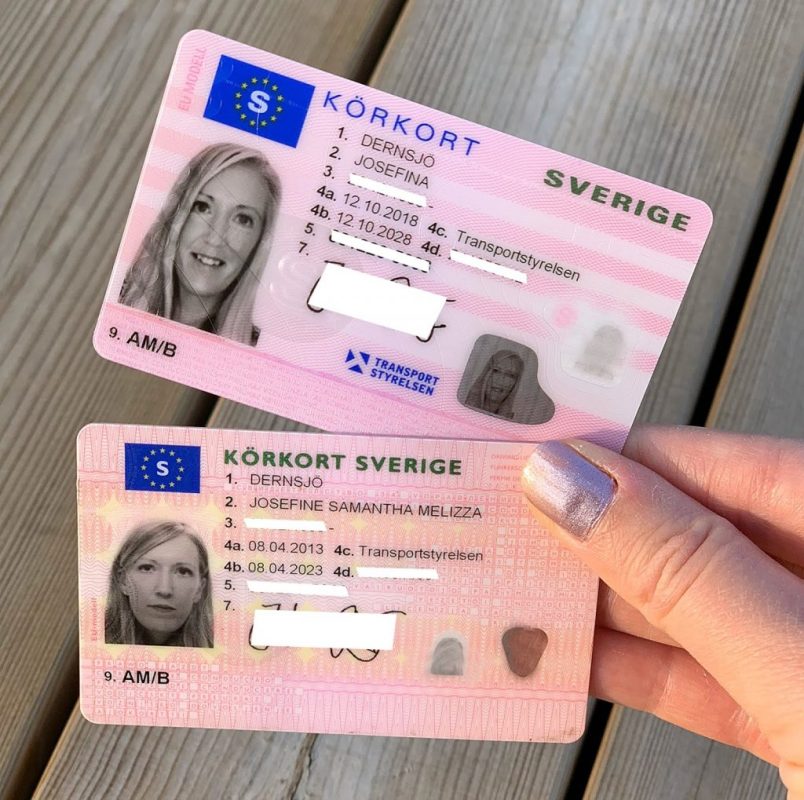
Navigating the New Landscape of Driving License ID Handling in 2025
In every society, the driving license functions as a vital file, not just as a proof of the ability to run a car however also as an identification tool. As we step into 2025, substantial changes have actually emerged relating to the handling and management of driving licenses, mainly influenced by advances in innovation, developing guidelines, and the need for improved security steps. Körkort Id-Handling 2025 intends to deliver a thorough introduction of driving license ID handling in 2025, elucidating the technologies involved, the approaching legal transformations, and supplying responses to typical questions.
The Transition to Digital Driving Licenses
Among the most noteworthy improvements in driving license ID handling is the widespread adoption of digital driving licenses. These digital licenses are stored electronically on smart devices, providing numerous benefits to both motorists and authorities. In the United States, for circumstances, many states have actually begun carrying out digital driver's licenses, while nations such as Canada and the UK are anticipated to do the same soon.
Key Benefits of Digital Driving Licenses
- Convenience: Easily available on mobile phones, eliminating the need to bring physical copies.
- Enhanced Security: Incorporating biometric functions and encryption assists to combat identity theft and scams.
- Real-time Updates: Immediate updates to personal details, such as changes in address or status, enhance accuracy.
Difficulties and Concerns
Regardless of the advantages, the shift to digital licenses provides challenges, consisting of issues about privacy, cybersecurity threats, and the digital divide affecting those without access to mobile phones or the internet.
Modifications in Regulatory Framework
As we head into 2025, several guidelines surrounding driving licenses have actually come under analysis and change. Federal governments and regulative bodies are focusing on ensuring that driving licenses are secure, valid, and released in compliance with established laws.
Key Legislative Trends
- Standardized ID Formats: Countries are moving towards a standardized format for driving licenses to improve recognition and enhance security.
- Increased Verification Procedures: Authorities are now using advanced techniques such as facial recognition and AI to improve confirmation processes at checkpoints.
- Focus on Sustainability: With growing environmental issues, numerous states are going with eco-friendly materials for physical licenses and checking out robust digital options.
- Age and Identity Verification: Enhanced steps are being put in location to accurately verify the age and identity of motorists, especially in contexts where age-related laws use to driving.
The Global Perspective: State-By-State Comparison
| Nation | Digital License Implementation | Existing Regulations | Notable Features |
|---|---|---|---|
| United States | Numerous states in development | Varies by state, efforts to combine formats | QR codes for simple recognition |
| Canada | In pilot phases | Standardized identification throughout provinces | Integration with health IDs |
| UK | Early adoption phase | Focus on online renewal and information updates | Digital confirmation by means of the app |
| Australia | Under factor to consider | Increasingly strict identification procedures | Focus on scams prevention |
The Role of Technology in ID Handling
Innovation is revolutionizing how driving licenses are handled. AI, blockchain, and biometrics are ending up being integral to driving license issuance and verification.
Innovations Shaping the Future
- Artificial Intelligence: AI algorithms are now used for acknowledging patterns in driving behaviors, which can inform insurance coverage premiums and legal implications.
- Blockchain Technology: Ensuring the integrity and credibility of driving license information, blockchain technology enables safe and secure sharing of details between authorities without worry of tampering.
- Biometrics: Increasingly, biometric systems are carried out at the point of issuance and verification, such as facial acknowledgment and fingerprint scanners, to guarantee secure identity verification.
Prospective Impacts of Emerging Technologies
The application of these innovations can lead to enhanced reliability and security of driving IDs, but it raises questions about information personal privacy and user authorization.
Regularly Asked Questions (FAQs)
1. What should I do if my digital driving license is lost or stolen?
You should instantly report the loss or theft to your local motor automobile agency. The majority of digital licenses have built-in functions to disable gain access to remotely.
2. Are digital driving licenses accepted everywhere?
Since 2025, approval of digital licenses differs by area. It's advised to bring both digital and physical copies when taking a trip throughout state or nationwide borders.
3. Can I upgrade my information on a digital driving license?
Yes, updates can often be made through the associated mobile application or site of the issuing authority.
4. What are the security steps for digital licenses?
Digital licenses normally integrate features such as encryption, two-factor authentication, and biometric verification to improve security.
5. How will standard driving licenses be impacted?
The move towards digital licenses might decrease the issuance of physical licenses, however they will still be available for those not able to access digital alternatives.
As we advance into a new age in 2025, the handling of driving licenses is enhancing to meet the needs of contemporary society. Through technological improvements and regulative reforms, individuals can anticipate a more secure, effective, and structured process for acquiring and handling their driving licenses. Nevertheless, as digital options proliferate, it stays vital to address difficulties connecting to privacy, security, and availability, ensuring equitable roadway access for all chauffeurs while securing personal info. As federal governments around the world continue to adapt to these changes, the future of driving license ID handling is set to be both vibrant and transformative.